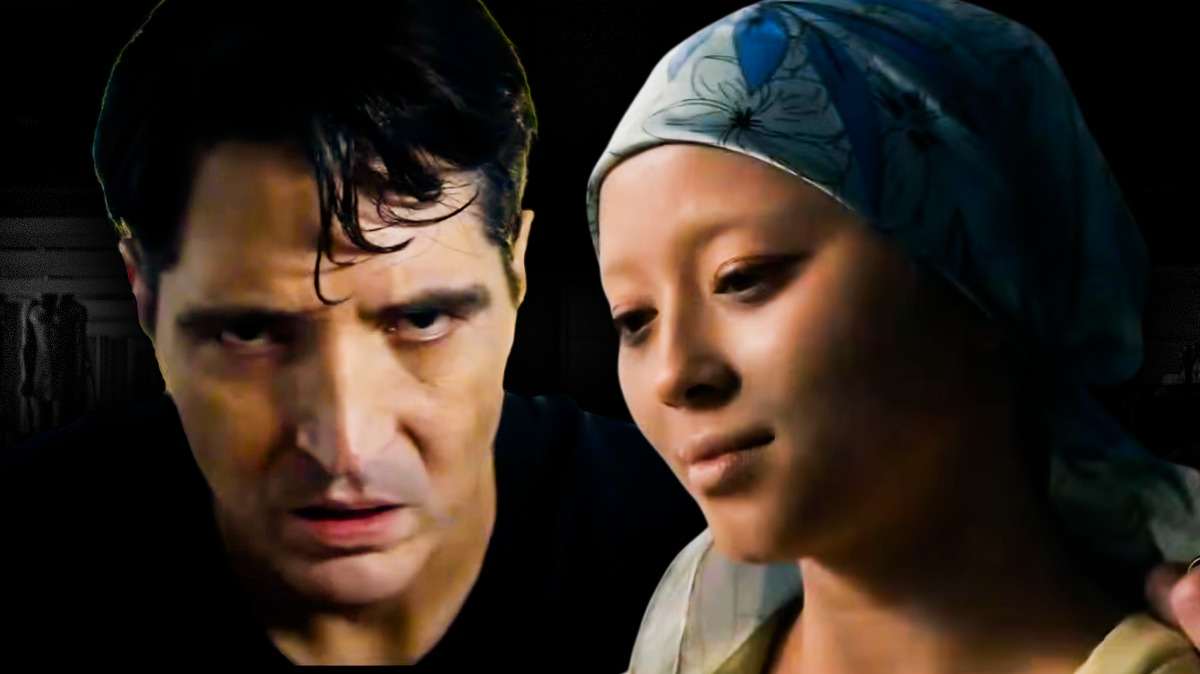
The Haunting Premise of The Cure: Setting the Stage for Disappointment
The medical thriller genre thrives on suspense, ethical quandaries, and shocking revelations. Nancy Leopardi's "The Cure" promises all of this and more, masterfully building a slow-burn narrative tension that immerses viewers in a world of luxury, isolation, and sinister secrets. However, despite its compelling setup and intriguing characters, many viewers found that The Cure Movie 2026 Ending ultimately failed to deliver on its immense potential, leaving a bitter aftertaste rather than satisfying resolution. But what exactly made this finale fall short?
At its core, "The Cure" introduces us to Ally, a perceptive and intelligent teenager adopted by the enigmatic and ultra-wealthy Jeff and Georgia Braun. Diagnosed with lupus at the tender age of six – suspiciously coinciding with her adoption – Ally has spent her life cloistered in a lavish Malibu villa, subjected to constant surveillance and a regimented medical routine. Her parents, a real estate tycoon and the owner of an international biotech firm, seem obsessed with her health, yet paradoxically, they haven't aged a day themselves, adhering to a strict, extreme healthcare regimen. This unsettling dynamic immediately raises questions: What are the Brauns truly hiding? What is the real nature of Ally's illness? And why the extreme isolation?
The film expertly crafts an atmosphere of creeping dread. Ally's developing body dysmorphia and lack of genuine human connection amplify her vulnerability. Her nightmarish visions – glimpses of labs and grotesque bodily imagery – hint at a past more sinister than simple illness. The arrival of Brooke, a defiant outsider Ally meets during a brief escape from her gilded cage, injects a much-needed human element and a spark of rebellion. Their burgeoning connection, marked by Ally's first romantic feelings, highlights the oppressive reality of her existence. Brooke, with her own troubled background and a tech-savvy paraplegic brother, Robbie, seems poised to be Ally's lifeline to the truth. The narrative successfully establishes a web of mysteries: the Brauns' agelessness, the origins of Ally's illness, and the true purpose of her perpetual confinement. This intricate groundwork creates a powerful anticipation for a climactic unveiling, setting the bar incredibly high for the film's conclusion.
Unpacking the Unmet Expectations: Where The Cure Movie 2026 Ending Likely Went Astray
The reference context explicitly notes that "The Cure" delivers "a shocking revelation even though it fails to stick the ending." This sentiment perfectly encapsulates the frustration often felt when a film's powerful build-up collapses under the weight of an inadequate finale. When analyzing why The Cure Movie 2026 Ending might have disappointed, several common pitfalls for thrillers come to mind:
Ambiguity Without Satisfaction
One primary reason for an ending feeling "unstuck" is often a lack of definitive resolution. While ambiguity can sometimes be a powerful narrative tool, especially in psychological thrillers, it must be earned and serve a greater purpose. If the film leaves too many major plot threads dangling – such as the true nature of the Brauns' agelessness, the definitive cause of Ally's lupus, or the ultimate fate of key characters like Brooke and Robbie – it can feel less like a thoughtful cliffhanger and more like an unfinished story. Viewers invest time and emotion into unraveling a mystery, and a failure to provide compelling answers can leave them feeling cheated.
A Twist That Doesn't Pay Off
The "shocking revelation" mentioned in the synopsis is undoubtedly a high point. However, if this twist isn't adequately integrated into a satisfying resolution, it can feel like a cheap trick rather than a narrative triumph. A truly effective twist should recontextualize everything that came before, leading to a logical and emotionally resonant conclusion. If the twist exists purely for shock value and doesn't genuinely move Ally's story forward or provide catharsis, then the overall ending will suffer. Perhaps the twist revealed a horrifying truth about Ally's illness or her parents, but then failed to provide Ally with agency or escape. To delve deeper into the mysteries surrounding Ally's health, you might find valuable insights in our article on Unraveling The Cure Movie: Secrets of Ally's Illness and The Brauns.
Lack of Character Resolution
Ally's journey is one of self-discovery amidst oppression. For an ending to be satisfying, her arc needs a strong conclusion. Does she escape her parents' clutches? Does she find freedom, or at least a path towards it? If Ally remains trapped, defeated, or if her efforts to uncover the truth ultimately prove futile without a compelling reason, the ending can feel nihilistic and disempowering for the audience. Her connection with Brooke and the potential role of Robbie's tech skills set up a powerful opportunity for Ally to gain allies and fight back. If these elements were abandoned or underutilized in the climax, it would undoubtedly contribute to viewer dissatisfaction.
Forecasting Fan Reactions: Why a Flawed Conclusion Lingers
An unsatisfying ending can profoundly impact a film's legacy and audience perception. For a medical thriller like "The Cure," where the stakes are high and ethical boundaries are constantly tested, the resolution is paramount. When The Cure Movie 2026 Ending fails to deliver, it can:
- Erode Rewatch Value: Why revisit a story that doesn't offer a complete or fulfilling experience?
- Generate Negative Word-of-Mouth: Disappointed viewers are often vocal, potentially deterring others from watching the film.
- Undermine the Prequel/Sequel Potential: If the ending feels like a manipulative setup for a sequel rather than a justified conclusion to the current narrative, it can alienate audiences. A sequel hook should emerge organically from a strong ending, not be its sole purpose.
- Leave Thematic Disconnects: A film that builds strong themes of identity, control, and freedom needs an ending that resonates with these ideas. If Ally's fight for autonomy is ultimately squandered, the thematic resonance is lost.
Filmmakers aiming for a resonant thriller should always prioritize a strong resolution. While twists are exciting, they must serve the story and the characters, providing a sense of closure or a powerful, earned shift in perspective. Without this, even the most ingenious plot device can fall flat. A crucial tip for any thriller: ensure that the emotional payoff for the protagonist matches the emotional investment of the audience. If Ally's journey is one of desperate struggle, her eventual outcome should reflect either a hard-won victory or a tragic, yet meaningful, defeat.
What a Truly Satisfying The Cure Movie Ending Could Have Offered
Given the rich tapestry of intrigue and psychological tension woven throughout "The Cure," a truly satisfying ending would likely have addressed the central mysteries with both clarity and emotional impact. Ideally, such a finale would have featured:
- Ally's Triumphant Escape or Exposure: The narrative builds Ally as a prisoner in a gilded cage. A strong ending would see her finally break free, perhaps exposing her parents' sinister experiments or their true, non-human nature to the world. Imagine Ally, using Brooke and Robbie's help, hacking into the Brauns' biotech firm or their surveillance system to gather irrefutable evidence. The article The Cure Movie Ending Explained: Did Ally Escape Her Parents? likely explores these very scenarios, highlighting the core desire for Ally's liberation.
- Definitive Explanations: The Brauns' agelessness and the precise nature of Ally's lupus demand answers. Was Ally part of an experiment? Are her parents something other than human? A satisfying conclusion would reveal the full scope of their machinations, linking these elements together in a coherent and chilling way.
- Emotional Catharsis: After enduring years of isolation and deception, Ally deserves a moment of empowerment or at least a clear path towards healing. This could involve confronting her parents, finding genuine allies, or finally understanding her true identity.
- The Payoff of Supporting Characters: Brooke and Robbie represent Ally's connection to the outside world and a potential means of escape. A strong ending would integrate their roles meaningfully, showing their loyalty and ingenuity in aiding Ally's quest for truth.
The difference between a "shocking revelation" and a "satisfying ending" often lies in the aftermath of the reveal. A satisfying conclusion validates the audience's emotional investment, tying up loose ends while still allowing for reflection. It ensures that the journey was not just thrilling, but ultimately worthwhile.
Conclusion
"The Cure" masterfully sets the stage for a compelling medical thriller, brimming with suspense, moral ambiguity, and intriguing character dynamics. From Ally's mysterious illness and isolation to her parents' chilling agelessness and biotech empire, the film constructs a world ripe for a powerful climax. However, the reported failure of The Cure Movie 2026 Ending to "stick" underscores a critical lesson in storytelling: a brilliant premise and shocking twists are only truly impactful if they lead to a cohesive, resonant, and ultimately satisfying conclusion. For a film that so effectively builds tension and promises deep revelations, anything less than a fulfilling resolution can leave audiences feeling not just unresolved, but genuinely disappointed. A strong ending is the cornerstone of a memorable film, and in the case of "The Cure," it seems to be the missing ingredient that prevents it from reaching its full potential.